

NSX, 1991-05
-
December 18, 2025
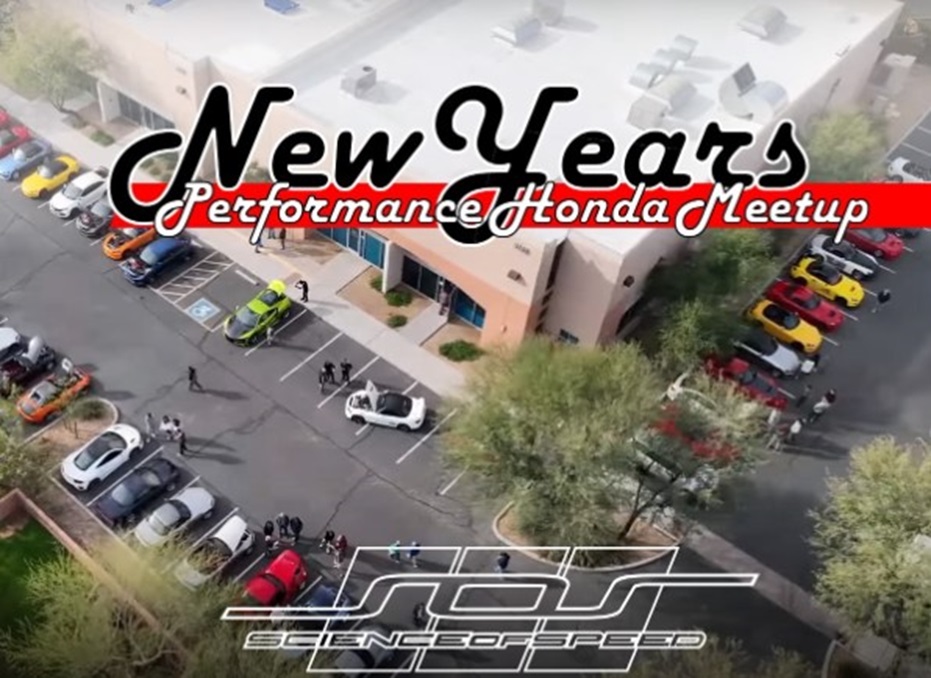
Calling all NSX’s, S2000’s, Type R’s, Type S’s, and any other performance Honda’s/Acura’s. Join ScienceofSpeed on the morning of Jan. 10th as we host our annual New Year’s meet at our facility in Chandler. We will be meeting at 9:00am-Noon, and opening our shop for tours, information, and sales. We will have a live DJ on hand, and staff here to answer questions you may have. Come see other performance cars, and this meet is a great opportunity to check out the parts you’ve been desiring on other cars, and asking other owners for their recommendations and experiences before you buy.
ScienceofSpeed will have doughnuts, snacks, and drinks on hand. We are also working on having a coffee truck to help you get your day started, and a DJ to keep the tunes rollin. -
October 31, 2025
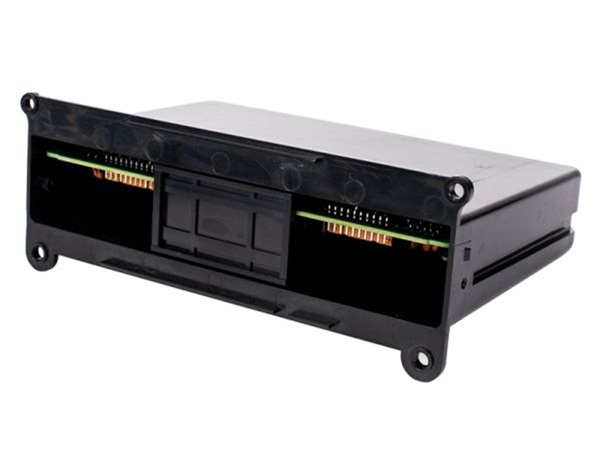
35 years of NSX performance is starting to show its age. Rubbers, plastics, seals, wires, etc., are all aging with or without use. One issue we have seen increasingly is the electronics issues. Electronics are older units, sometimes more than 35 years old at this point, and should be treated as a service item, much like a timing belt service. Most owners of the first gen NSX have already experienced issues with the stereo, amps, Climate Control Unit (CCU), Electronic Power Steering (EPS),
-
December 02, 2024
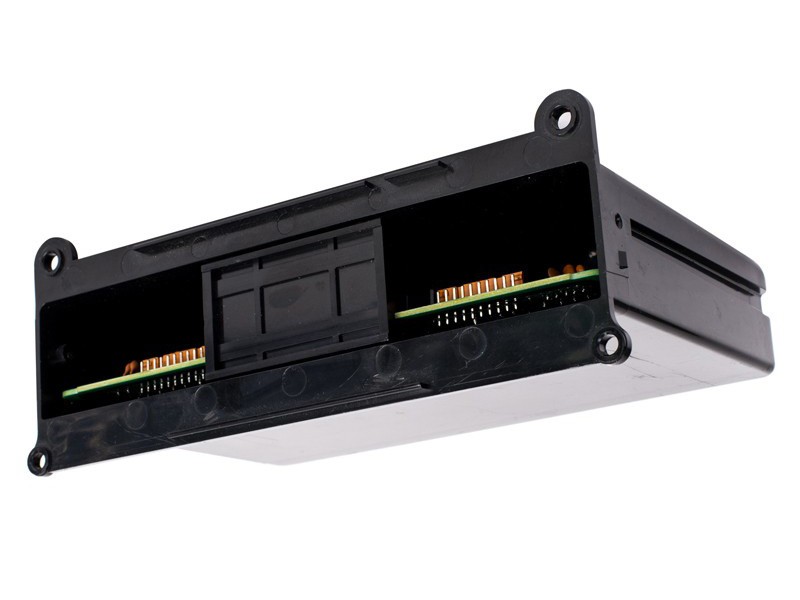
As the first-generation NSX continues to age, failing electronics have become more common.
The most common issues include PGMFI relay, climate control unit, and stereo amplifier unit failure. The typical climate control unit (CCU) failure symptom is the fan motor only blowing on high and/or the unit no longer powering up. The typical symptom of stereo amplifier failure is popping and/or reduced volume from the speakers. As for the PGMFI relay, no repair program is active and would require replacement of the relay upon failure.
Lately, new electrical component failures have been reported, including issues with the stereo head unit, instrument cluster, Turn signal cancellation module, and electric power steering control unit.
The failures in the climate control, stereo amplifier, and recently the stereo, instrument cluster, Electric power steering control unit, and turn signal cancellation module are related to the electrolytic compound leaking from the
-
November 27, 2024
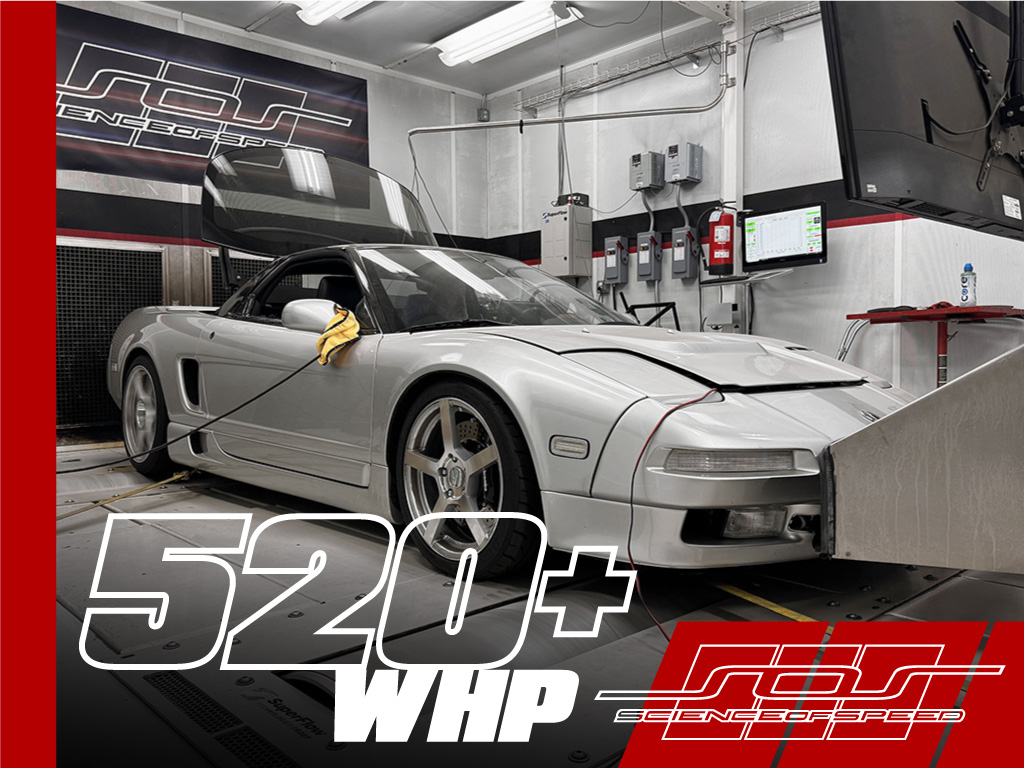
A new horsepower record was achieved with the ScienceofSpeed TVS Supercharger System! This 1992 NSX features ScienceofSpeed's TVS Supercharger, TVS Intercooler, and Stage 2 3.2L Engine and produced over 520 wheel horsepower (approximately 580 horsepower at the engine).
With the larger engine, intercooler, and lowered compression ratio, this configuration normally produces 12-12.5 PSI. A slightly higher, but still very conservative, boost pressure of 14 PSI was achieved by replacing the factory manual transmission pulley with an automatic pulley. The automatic pulley has a larger that drives the alternator, and thus the supercharger (approximately 150.5mm compared to 141mm). This larger drive pulley drives the supercharger faster.
Here are the components used in this build:
-
October 22, 2024
A very common topic one will encounter on NSX forums, community conversations, and personal ownership are issues with the driver and passenger window functionality. The three most common of which are slow raising speed, rocking or binding when moving the window upwards, and the window completely dropping in the door altogether. ScienceofSpeed has found the most common root causes of these issues and has developed replacement parts to keep your NSX windows functioning properly.
Slow raising speed: this is the most common symptom of three potential issues. First is lubrication, second is window misalignment, and third is a worn-out regulator motor. Lubrication and inspection of the window alignment should always be first on the list when addressing this issue. This should also be a part of your routine servicing to keep the window regulator motors from wearing out prematurely. To find info about the process and equipment needed for this, refer to the official
-
July 25, 2024
ScienceofSpeed's NSX Vintage Parts Program seeks to offer discontinued, backordered, and difficult to source factory components for the 1991-2005 NSX. ScienceofSpeed has collaborated with Honda, Acura, and aftermarket parts sources to continue production where available and to source old stock components from worldwide sources when discontinued. While initially including only genuine Honda components, this program will include ScienceofSpeed produced components once certain parts become discontinued or generally unavailable (all genuine Honda parts are labeled as such). Parts available are sourced globally and pricing can vary significantly over time based on cost for the items sourced. ScienceofSpeed includes international import costs in the price of our products. Current prices are reflected on our website.
-
February 01, 2022
High horsepower modifications to the NSX have become more common. Increased power increases engine fuel demands. With the introduction of high fow turbine fuel pumps such as the Aeromotive 340 LPH and Walbro 450 LPH fuel pump, customers have the ability to install a fuel pump capable of supplying high horsepower applications using the factory in-tank fuel carrier. Initial testing performed showed the Aeromotive 340 HP pump performing similarly to the lower capacity Walbro 255 HP pump with factory wiring. Upon investigation, it was clear that resistance from the factory fuel pump wiring was causing a voltage drop down to less than 11 V at the pump. The factory wiring consists of wiring between American 16 and 18 ga wiring. Resistance is further increased from the relatively long run of approximately 8 ft of wiring from the power source. Testing was performed using a twin turbocharged 1993 NSX with a maximum total gasoline fuel supply demand of 270 lph at 750 horsepower at the engine. Manifold
-
April 12, 2021
ScienceofSpeed has expanded our throttle body options available for 1995-2005 NSX race cars when used with the ScienceofSpeed AEM Infinity Engine Management System.
Three options are now available:
- 65mm: compatible with factory rubber coupler. Ideal for naturally aspirated or supercharged applications compatible with the factory coupler (this is the standard throttle body included in the ScienceofSpeed Stage 2 TVS Supercharger System.
- 70mm: not compatible with the factory rubber coupler. Designed for 3" couplers - popular with turbocharger systems.
- 75mm: designed exclusively for the ScienceofSpeed TVS Supercharger System. Not compatible with the factory intake manifold. Requires the ScienceofSpeed 75mm Throttle Body Kit for
-
June 08, 2020
With CT-Engineering's closing in 2018, ScienceofSpeed lost its supplier of components for the ScienceofSpeed Supercharger Kit. The loss of these positive displacement supercharger systems left a big gap in forced induction options for the NSX enthusiast.
Now in development, the following is a technical introduction to the ScienceofSpeed TVS Supercharger System.
BACKGROUND
Positive displacement superchargers for the NSX are unlike any other forced induction system (centrifugal supercharger or turbocharger) in the way they generate instant, low-end torque. Positive displacement superchargers give the impression of small block V8 performance without giving up the 8,000 rev limiter - keeping the characteristics we love about the NSX, but amplifying the engine performance.The Comptech-based system had a number of advantages, including ease of
-
June 08, 2020
How does this system compare to the Comptech/CT-Engineering and CT-Engineering based ScienceofSpeed supercharger systems?
ScienceofSpeed partnered with CT-Engineering in 2007 to develop a high-output version of the CT-Engineering System. The CT-Engineering system produces around 80 WHP and the ScienceofSpeed system around 140 WHP using a larger 2.1L unit. CT-Engineering closing its doors in 2018 required ScienceofSpeed to develop the key components from scratch but have allowed improvements most notably in regards to the intake manifold (click here for more technical details). The improved design allows increased flow, reduced pressure fluctuation, and an optional integrated intercooler. Improvements to the belt drive tensioner system, the ability to increase throttle body size,
Recent Posts
-
Its time for our Annual ScienceofSpeed New Years Meet!
 December 18, 2025
 -
NSX CCU (Climate Control Unit) Woes
 October 31, 2025
 -
ScienceofSpeed Rewards Program now live!
 August 13, 2025
 -
failing electrical components in first generation NSX
 December 2, 2024
 -
TVS Supercharger for NSX Achieves New Horsepower Record!
 November 27, 2024