

NSX CCU (Climate Control Unit) Woes
NSX CCU (Climate Control Unit) Woes
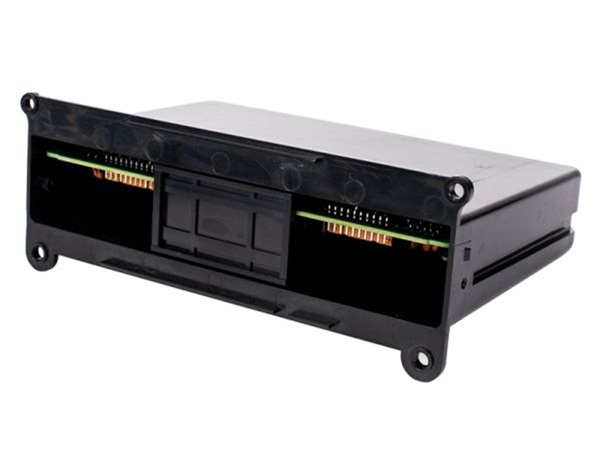
October 31, 202535 years of NSX performance is starting to show its age. Rubbers, plastics, seals, wires, etc., are all aging with or without use. One issue we have seen increasingly is the electronics issues. Electronics are older units, sometimes more than 35 years old at this point, and should be treated as a service item, much like a timing belt service. Most owners of the first gen NSX have already experienced issues with the stereo, amps, Climate Control Unit (CCU), Electronic Power Steering (EPS), instrument cluster, turn signal cancel module, Engine Control Unit (ECU), PGMFI Main relay, and fan control unit. These issues stem from several problems, but the 2 most common are cracked/corroded solder joints, and leaking capacitors. The CCU, which is our subject today, suffers more from the leaking capacitors.
Am I affected?
Most customers notice one of the following problems:
- Fan blowing only on high
- Fan control knob inoperable.
- Screen not displaying or inoperable.
- Blend doors not working properly, and air is not coming out from where you expect/what is selected
- One of the above combined with a burnt electronics smell
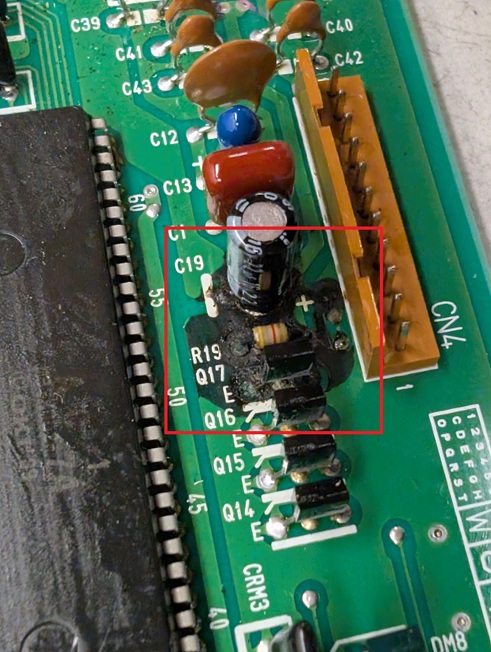
The problem is that when these issues occur, damage to the board has already occurred. Due to this leakage, something has shorted out, broken, lost continuity, or burnt, causing a small fire. These damages are what cause a loss of function that you may notice in the car during use. The damage, however, didn’t just happen when you notice the functionality issue. The problem started long beforehand.
How does this happen?
So how does this happen exactly? Capacitors that are used on the board are filled with an electrolyte solution. Eventually, the capacitor will start to leak this solution. There is no real timeframe for when this will occur. It can happen somewhat quickly (roughly 8 years), or it can take a long time (25+ years). There are some factors that tend to contribute to the failure of these components. Hotter weather, humid climates, poor quality (not originally used in the NSX electronics, but we have seen them on previously repaired units from other companies), lack of use, or even overuse/high stress can all contribute to this issue occurring. One thing we know is that they will all experience this failure eventually. Preemptive service is always best to avoid the more significant damage. If you see a problem, the issue is already worse than it should be, and there is a chance that irreversible damage has already occurred.
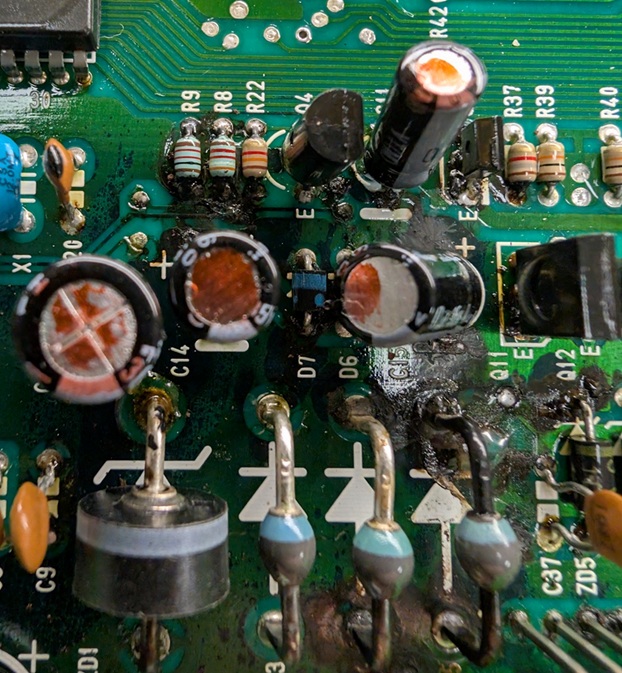
The electrolyte solution that leaks, although the cause of the corrosion, is not the exact cause. This solution is also hygroscopic, so it will absorb moisture from the air. This helps it continue its spread of destruction instead of drying out. There is also a galvanic corrosion that occurs, as it leaks across the board, and creates conductive paths for electricity to flow. This will then draw new materials into the solution, potentially increasing its corrosiveness. Sometimes, this just creates corrosion to traces, until they erode, and lose connection. These can be repaired, and traces remade. There are other issues where the corrosion gets under the protective layer, so the layer must be removed where the damage is, and the corrosion neutralized to keep it from continuing. We then apply a fresh layer of protective layer of a new coating to help protect it further.
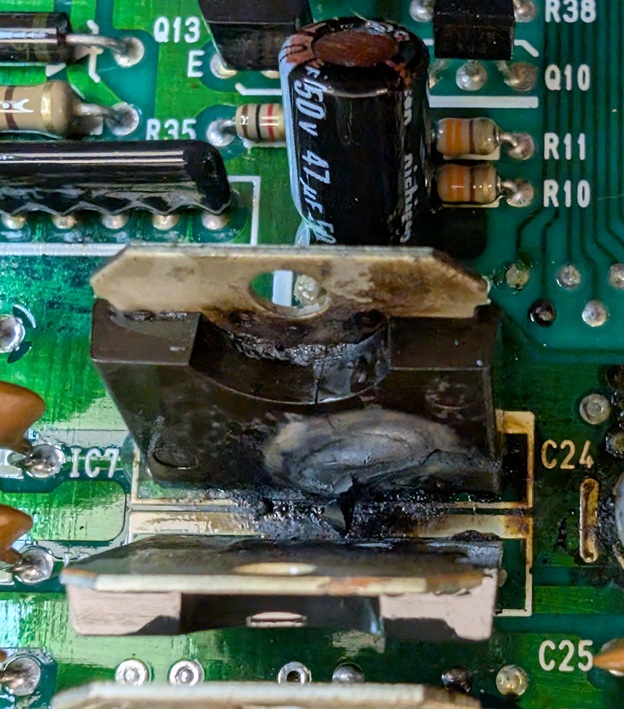
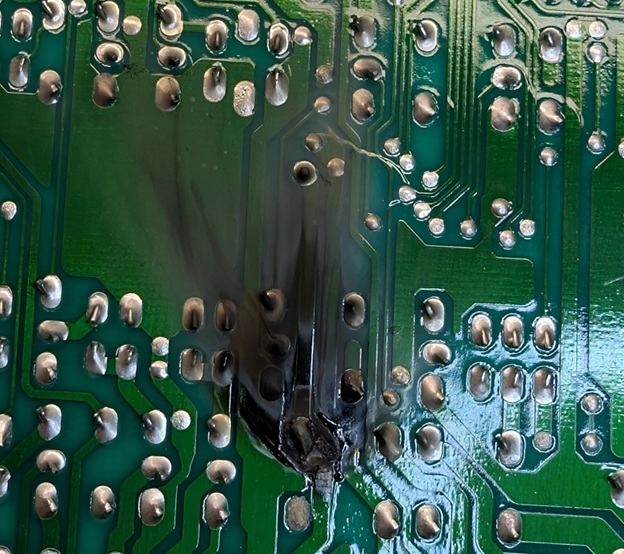
The worst case is when the leakage jumps across some very bad paths and causes a small electrical fire. The fire can be direct, or indirect as it may cause other components to do things they weren’t intended to do. This causes more significant damage to the fiberglass board, and all surrounding traces. The size of the fire can lead to a total loss of the board, as it becomes irreparable.
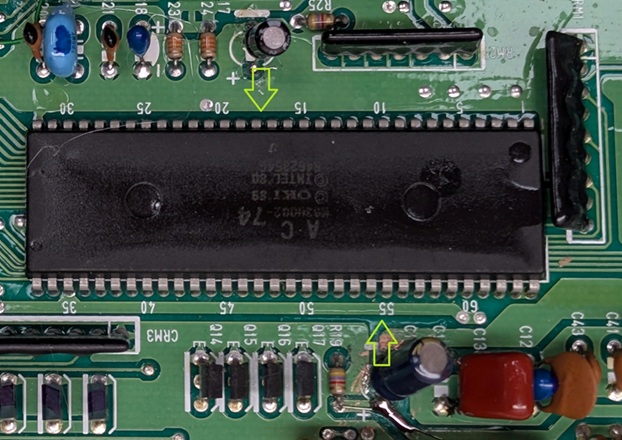
We have also seen the leakage leak into other components, like the main control chip. If this corrosive electrolyte solution gets inside the chip by creeping up the legs of the chip, it will sever the connections inside, rendering the chip, and the CCU, useless.
When does this start?
ScienceofSpeed estimates that the leakage starts months to years before the issues manifest from the damage. It is best to address older components before they fail, and cause damage. Preventative repairs are the least risk and leads to the longest life of the component. It is far better to repair a fully functioning CCU with no board damage, than it is to repair a damaged board, with potential irreversible damage.
Is the CCU the only issue?
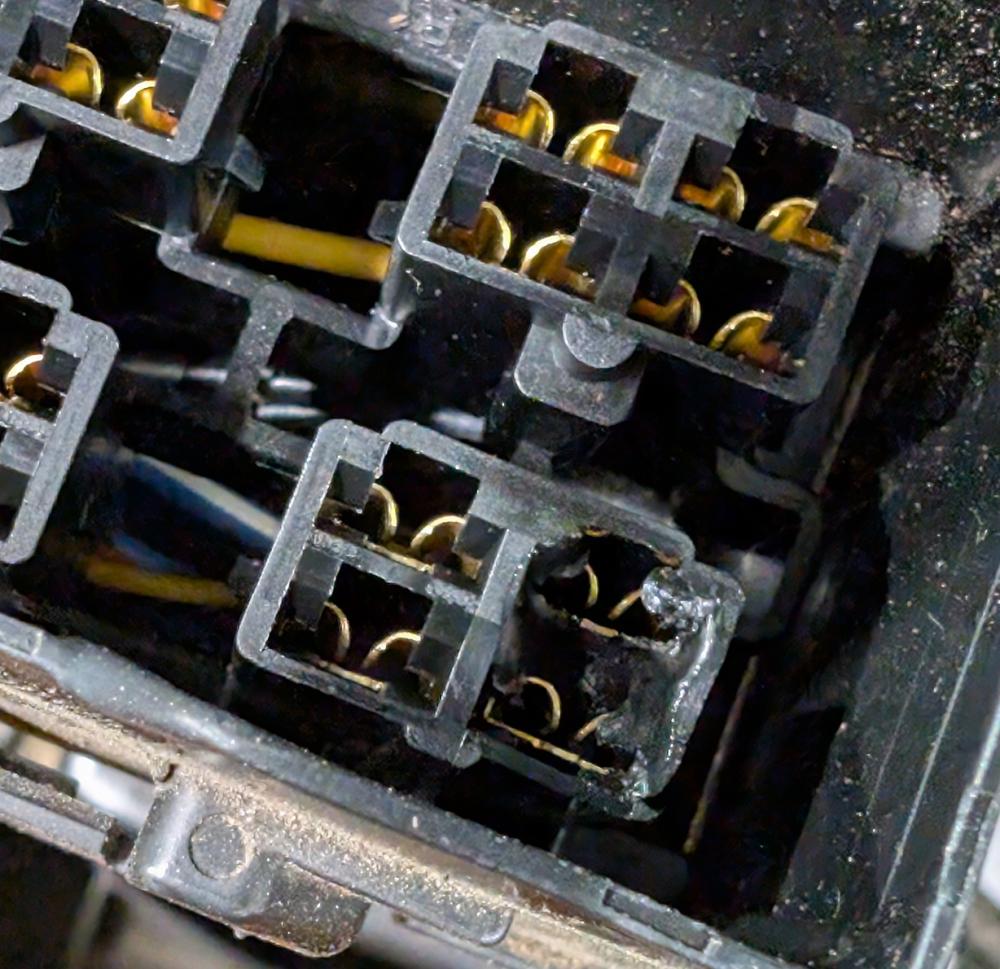
With repaired units, we have found other issues that need to be resolved. Although rare, we have seen things like the blower transistor (sometimes called a blower resistor on other vehicles) be faulty. We have also found that when the blower is failing or has failed, that it damages the relay. The relay will overheat and melt internally as it transfers more amps than it was designed for to the faulty blower. This causes the relay to permanently short on, and the blower to run at full constantly, until the relay is replaced. If it gets too hot, it can damage the fuse box, causing the relay to be melted in place, and the fuse box damaged. If you repair your CCU, and are still experiencing an issue with the blower, testing the relay, blower, and transistor should be done.
How do I resolve these issues?
The good news is that ScienceofSpeed does offer repairs to help maintain the NSX electronics. We repair and test all units in house on our test bench to be certain it is working perfectly. You can get your CCU repair started by clicking here. ScienceofSpeed also repairs many other NSX electronics. We are so committed to helping preserve the NSX, we worked with Brian K. for decades. When he decided it was time to retire, we were instantly interested in preserving the quality of his repairs and keeping the availability of his services. We decided the best way forward was to bring these repairs in-house. Brian has visited several times to help share knowledge and train us to keep this service going for future generations. ScienceofSpeed is committed to getting another 35 years of trouble-free enjoyment out of the NSX.
Recent Posts
-
Its time for our Annual ScienceofSpeed New Years Meet!
 December 18, 2025
 -
NSX CCU (Climate Control Unit) Woes
October 31, 2025
-
ScienceofSpeed Rewards Program now live!
 August 13, 2025
 -
failing electrical components in first generation NSX
 December 2, 2024
 -
TVS Supercharger for NSX Achieves New Horsepower Record!
 November 27, 2024