

NSX, 2017-22
-
December 18, 2025
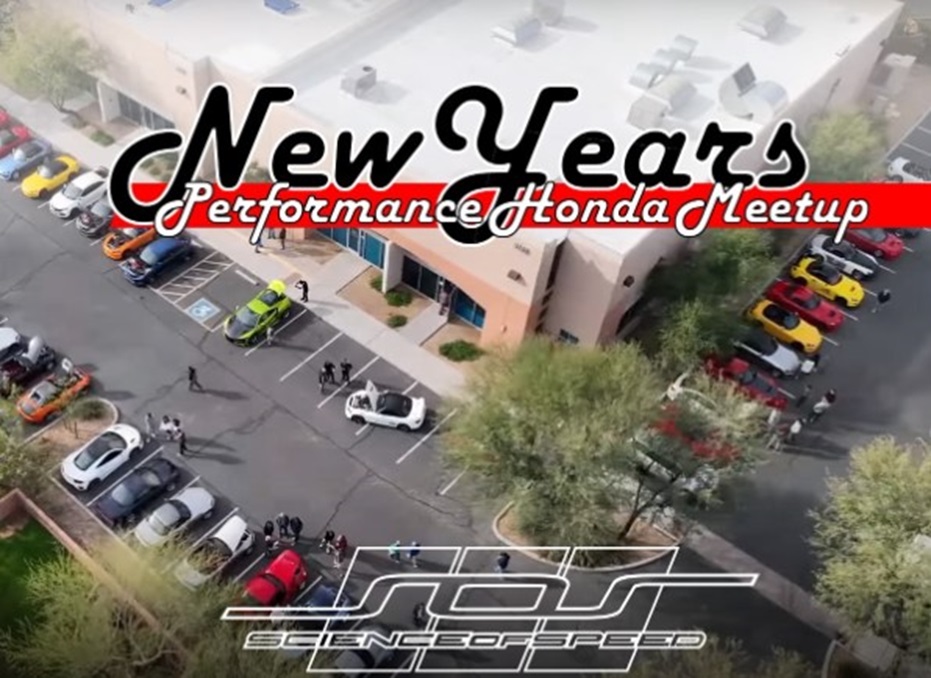
Calling all NSX’s, S2000’s, Type R’s, Type S’s, and any other performance Honda’s/Acura’s. Join ScienceofSpeed on the morning of Jan. 10th as we host our annual New Year’s meet at our facility in Chandler. We will be meeting at 9:00am-Noon, and opening our shop for tours, information, and sales. We will have a live DJ on hand, and staff here to answer questions you may have. Come see other performance cars, and this meet is a great opportunity to check out the parts you’ve been desiring on other cars, and asking other owners for their recommendations and experiences before you buy.
ScienceofSpeed will have doughnuts, snacks, and drinks on hand. We are also working on having a coffee truck to help you get your day started, and a DJ to keep the tunes rollin. -
October 22, 2024
At ScienceofSpeed, we know that the Pure900 turbochargers produce significantly more power on both the dyno and street based on engine performance data (significant increases in airflow compared to the factory turbochargers). Air mass allows us to quantify how much air the engine is consuming, which directly translates to power. The Pure900 turbochargers flow more air and produce more power all the way down to 2,000 RPM compared to the factory turbochargers. In fact, Pure900 turbochargers using E40 fuel produce an increase of over 200 wheel horsepower and nearly 200 lb-ft of torque compared to the factory turbochargers.
A big factor in acceleration performance is tire traction. When engine performance is increased with these upgrades, marginal tire performance becomes the bottleneck.
When launching from a standing start, the factory modules use inputs from sensors to minimize wheel slip and improve tire traction. If the engine produces more torque, wheel slip may increase, -
April 10, 2024
Mega power increases are now available from ScienceofSpeed for your NSX race car!
For more information, click here:
KTuner V2 Touch
Programming device to reflash the factory ECU. Allows wheel horsepower increases from 40 to more than 200 horsepower!Pure900 Twin Turbocharger Upgrade from ScienceofSpeed
Huge power and torque increases made possible by replacing the the factory turbochargers.ScienceofSpeed Ethanol Monitoring Kit
Take advantage of the performance advantages of ethanol FlexFuel by using the Ethanol Monitoring Kit from ScienceofSpeed. This -
July 09, 2023
How much power does the KTuner Flash V2 produce?
More than 40-60 horsepower depending on fuel used (91-93 octane) with the stage 1 map. For more details, see the product page for dyno results.Are other components required?
Downpipes are recommended and increase power output by 15-20 horsepower.How long does the flash process work?
Once setup, maps can be flashed to the ECU in 3-5 minutes.Does the KTuner Flash V2 need to stay connected to my vehicle?
No. The unit only needs to be connected during flashing, gauge viewing, or datalogging. Once the ECU is flashed, it can be disconnected. -
November 15, 2022
For a limited time, NSX Type S Exclusive Paint Matched Manifold Cover Red Charge Tubes are Available Now!
-
May 19, 2020
This month marks 3 years since we began working with the Second Generation NSX. "Caliente", this 2020 NSX Thermal Orange project, embodies everything we have learned (and love) about this very special supercar.
100 BHP gain over factory power, suspension lift system, downpipes & valved exhaust that work with the factory mode control switch while giving the car an aggressive exotic exhaust note it deserves, along with many cosmetic touches from ScienceofSpeed. Thank you to all of our customers for allowing us to be a part of your NSX experience!
Modification List:
-
November 27, 2019
Recently, a 2018 NSX was delivered to us for installation of the ScienceofSpeed Liquid Injection System. This NSX has an aftermarket exhaust system along with the JB4 Tuning Box from ScienceofSpeed. During baseline testing, we noticed that power was down.
Using the JB4 Mobile app, we were able to log variables like throttle angle and found the factory ECU was closing the electronic throttles by up to 25-30% even at factory boost levels. This was very strange considering the NSX was being -
May 31, 2019
ScienceofSpeed adds Liquid Injection to Second Gen NSX: As with any turbocharged engine, the performance from the 3.5L twin-turbocharged Second Generation NSX degrades after repeated acceleration cycles. With multiple acceleration runs on our Superflow chassis dyno it's normal to see the intake temperature sensor in the intake manifold increase by 40-50 degrees over ambient temperature.
As the intercoolers and manifold heat up from charge temperature and radiant heat from the engine - we've observed engine performance decrease by 30-40 horsepower after six to eight back-to-back acceleration runs on NSX engines at factory boost levels. Increase boost pressure and increased charge temperatures result in 40-50 horsepower loss in only three acceleration runs.
-
March 15, 2019
See what you missed!
Second Gen NSXes attack the track at Palm Beach International Raceway. Fastest NSX of the night was a 2017 NSX at 10.66 @130.8 with ScienceofSpeed Sport Downpipes & new JB4 Tuning Box by ScienceofSpeed.
Recent Posts
-
Its time for our Annual ScienceofSpeed New Years Meet!
 December 18, 2025
 -
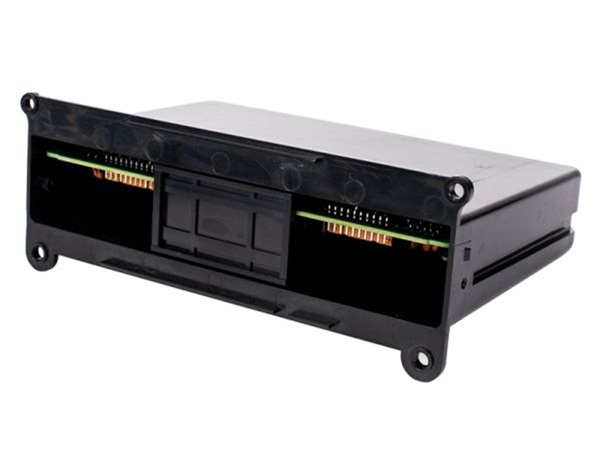
NSX CCU (Climate Control Unit) Woes
 October 31, 2025
 -
ScienceofSpeed Rewards Program now live!
 August 13, 2025
 -
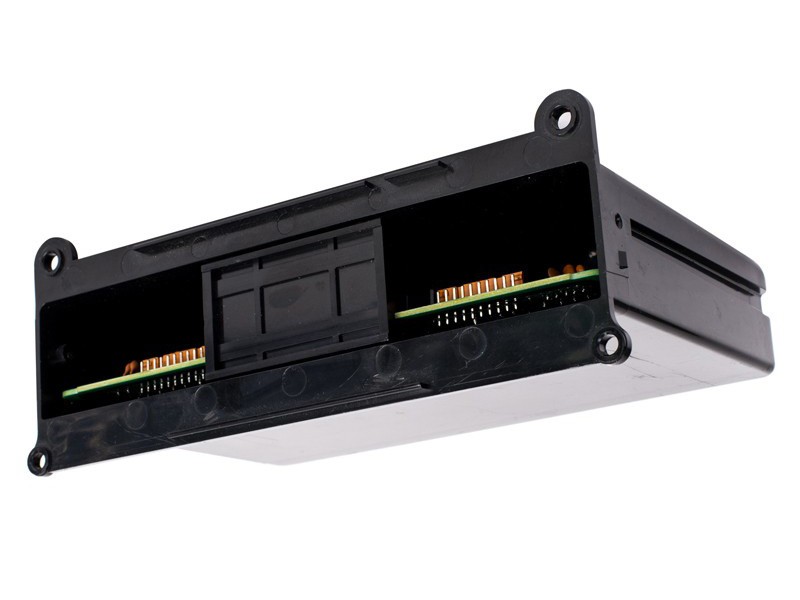
failing electrical components in first generation NSX
 December 2, 2024
 -
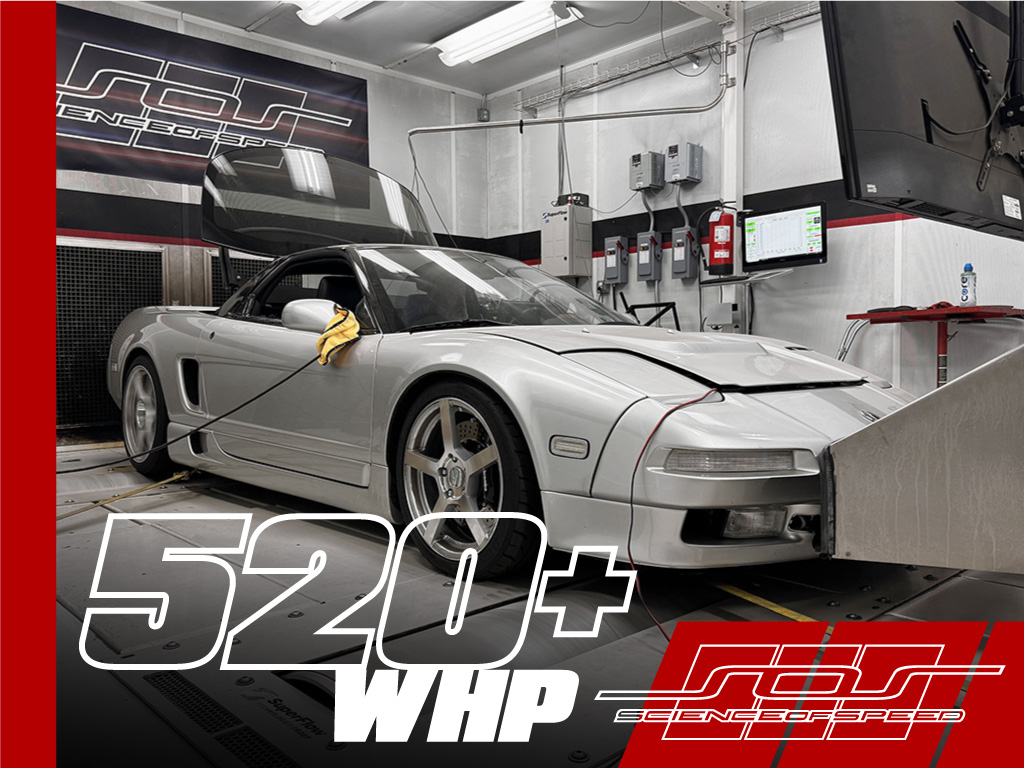
TVS Supercharger for NSX Achieves New Horsepower Record!
 November 27, 2024